Process page / From intake to keys
Every repair gets a record.
The timeline format helps customers understand where their vehicle is in the shop and what decision comes next.
Restoration timeline
How the work moves.
This is the main Bread-inspired pattern: a solemn sequence that treats each vehicle like a machine worth documenting.
- 01
Listen to the concern
Capture what changed, when it happens, recent repairs, mileage, and whether the vehicle should stay parked.
- 02
Verify the symptom
Use a road test, visual inspection, scan, or system check to confirm the concern before recommending parts.
- 03
Map the finding
Show the likely cause, risk level, and order of repair in language the owner can use to decide.
- 04
Approve the work
Keep labor, parts, and dependencies clear so the customer understands what is happening before the bay opens.
- 05
Complete and verify
Repair the approved item, check the result, and note anything that should be watched later.
- 06
Return the keys
Close with a plain record: what was found, what was fixed, and what maintenance is coming next.
 Documentation
 Documentation
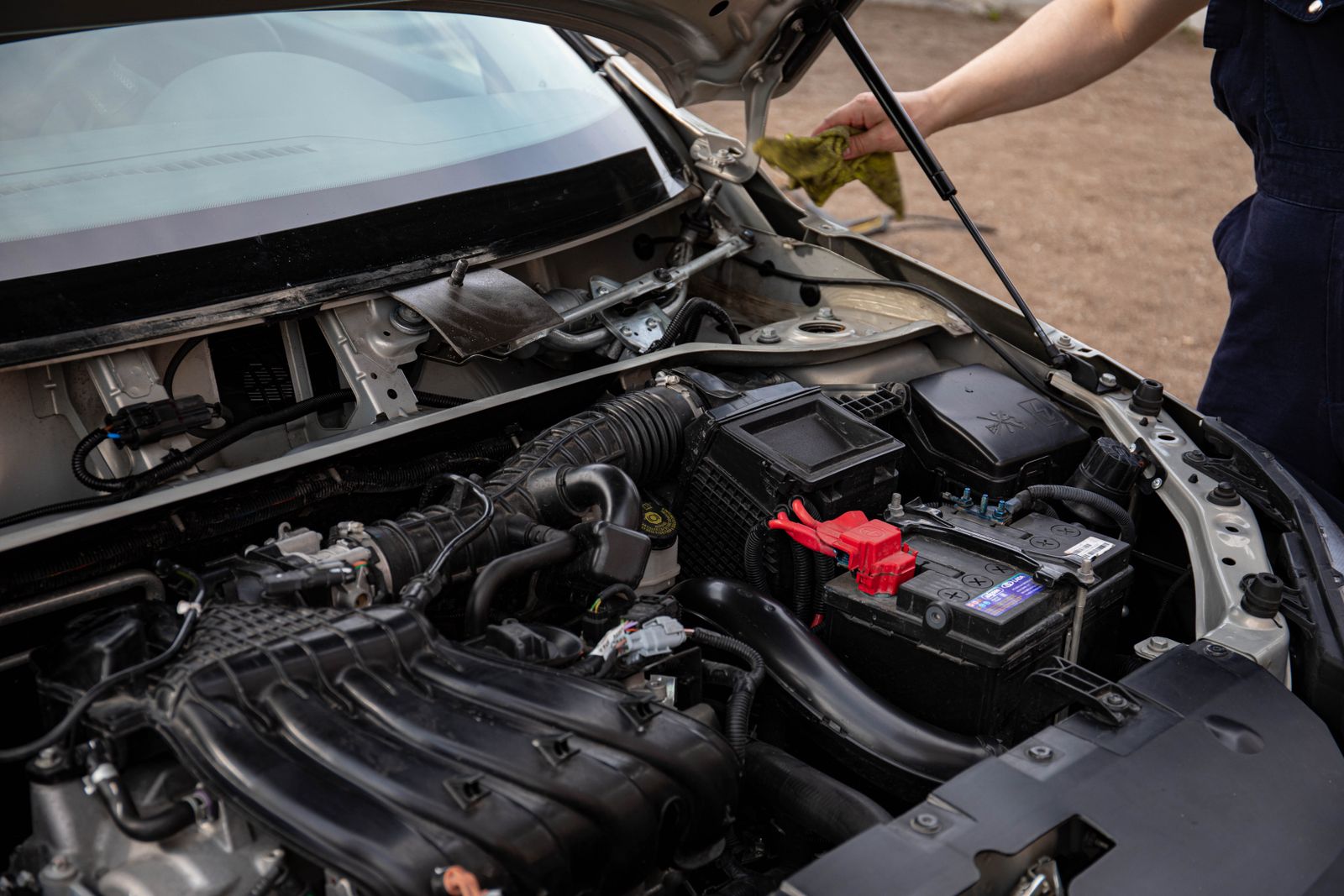
Photos and notes make the invisible work visible.
Auto repair often happens behind a closed bay door. The page structure gives a shop room to explain inspections, parts decisions, and verification without overwhelming the customer.
Good to know
Repair questions this page should answer.
Can I approve only part of the work?
Use this answer slot to explain how the shop separates urgent safety items from maintenance that can be scheduled later.
Will I see the old parts or photos?
Replace this with the real shop policy for photos, part returns, and inspection documentation.
What happens if the diagnosis changes?
This is a place to state that new findings should be explained before additional work proceeds.